Why Your Capo Makes You Sound Out of Tune
You capo up for a song in a different key, strum the first chord, and something’s off. It’s not your ears and it’s not your guitar, it’s basic physics meeting an imperfect fretting job, and it’s fixable in about ten seconds once you know what’s actually happening.
Why Capos Push You Out of Tune
A capo works by pressing all six strings down at once, the same way your finger does on a single fret. But most capos press with the same fixed force across the entire neck, and most players clamp down harder than necessary out of habit. That extra pressure stretches the strings slightly sharp, especially with lighter gauges, which is why capoed chords can sound thin or subtly off compared to open position.
The Ten-Second Fix
Retune after you capo, every time, not just the first time you change keys. Move the capo directly behind the fret wire rather than in the middle of the fret space, it requires far less clamping pressure to fret cleanly there. If your capo has an adjustable tension screw, back it off the moment you take it off so it isn’t compressing the neck the same way at rest.
Some Capos Are Just Built for This
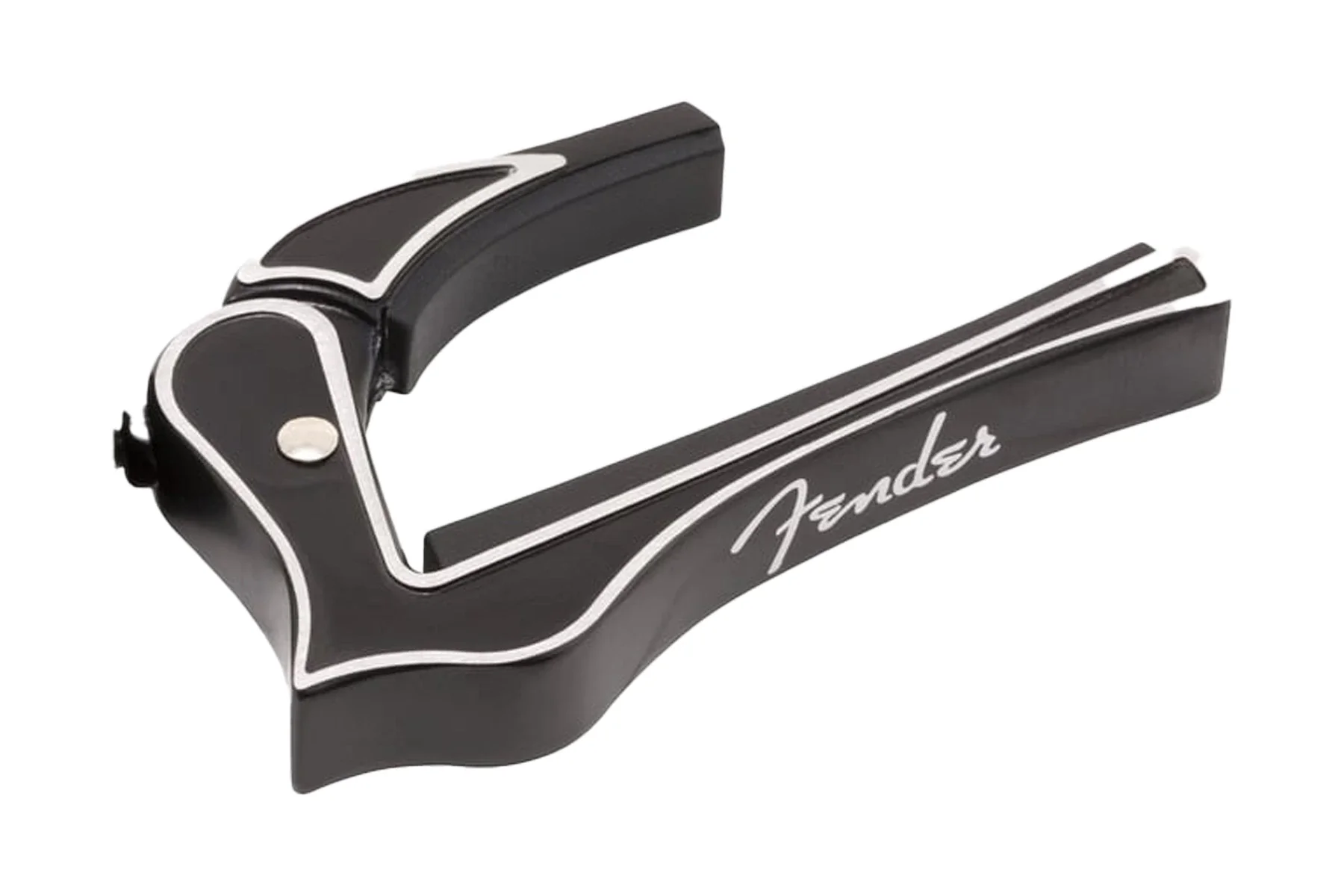
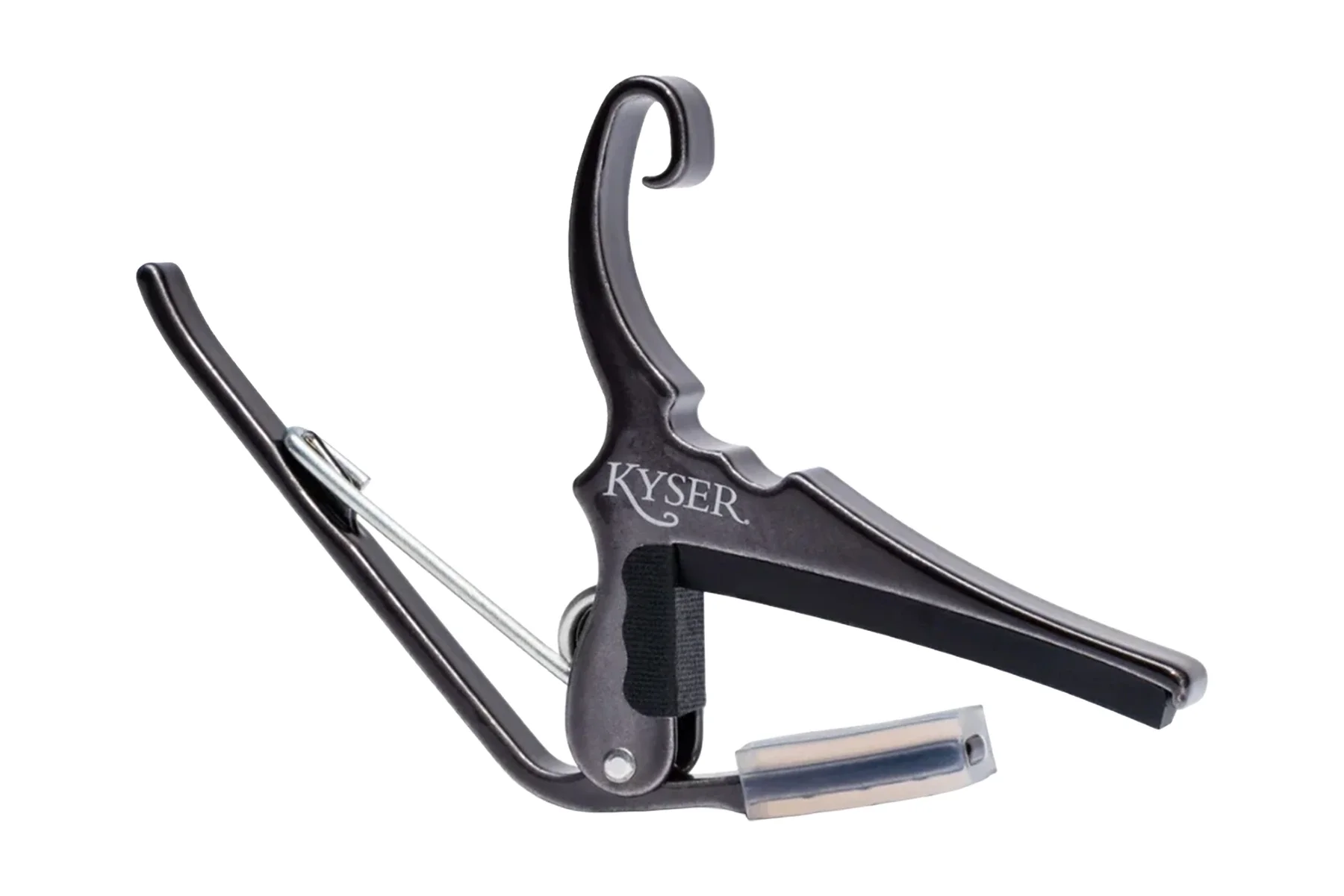
Spring-tension capos vary a lot in how evenly they distribute pressure across the neck, and a bad one can leave your low E in tune while your G string goes noticeably sharp. A quick-change style like the Kyser Quick-Change Acoustic Capo clamps evenly with one motion. If you want fine control over exact tension, a screw-adjustable option like the Fender Dragon Capo lets you dial in just enough pressure to fret cleanly without overshooting.
When It’s Not the Capo
If retuning after every capo placement still leaves you sounding off, check your intonation at the twelfth fret first. A guitar that’s already slightly sharp or flat unfretted will only get worse once you add a capo on top of it.
A capo is a tool, not a fix-it-and-forget-it accessory. Treat it like a second nut that needs the same attention as tuning up before a set, and the “out of tune” feeling mostly disappears.