Do You Really Need a Tuner Pedal?
A tuner pedal looks like overkill until you have fumbled with a clip-on mid-song or watched a phone app get confused by stage noise. Here is what a pedal tuner actually does differently, and whether you need one.
How the Three Tuner Types Actually Work
Clip-on tuners use a piezo sensor on the headstock that reads the physical vibration of the wood and strings, not sound through the air, which is why they still work in a loud room. Phone apps go the opposite direction: they listen through the microphone and run the audio through a pitch-detection algorithm, which works well in a quiet room but struggles the moment there is stage noise or a monitor nearby, since the app cannot tell your guitar from everything else it hears. A tuner pedal skips both problems. It sits in your signal chain and reads the raw pickup signal directly, the same way your amp does, so ambient noise never enters the picture.
Is a Pedal Tuner Actually More Accurate?
Accuracy depends more on tuner class than tuner type. A standard chromatic pedal like the Boss TU-3 reads to about plus or minus 1 cent, and a polyphonic pedal like the TC Electronic PolyTune 3 claims plus or minus 0.5 cent in chromatic mode. Clip-ons vary more by model, roughly plus or minus 0.3 to 2 cents, so a good clip-on and a good pedal land in the same range for everyday tuning. The real jump in precision comes from strobe tuning: a strobe pedal like the Peterson StroboStomp HD reads to about plus or minus 0.1 cent, tight enough that some intonation techs use one instead of a chromatic tuner. Phone apps are typically accurate to around plus or minus 0.5 to 1 cent under quiet conditions, but that number falls apart in a noisy room, which is the app’s real limitation rather than its algorithm.
Why Gigging Guitarists Keep One on the Board
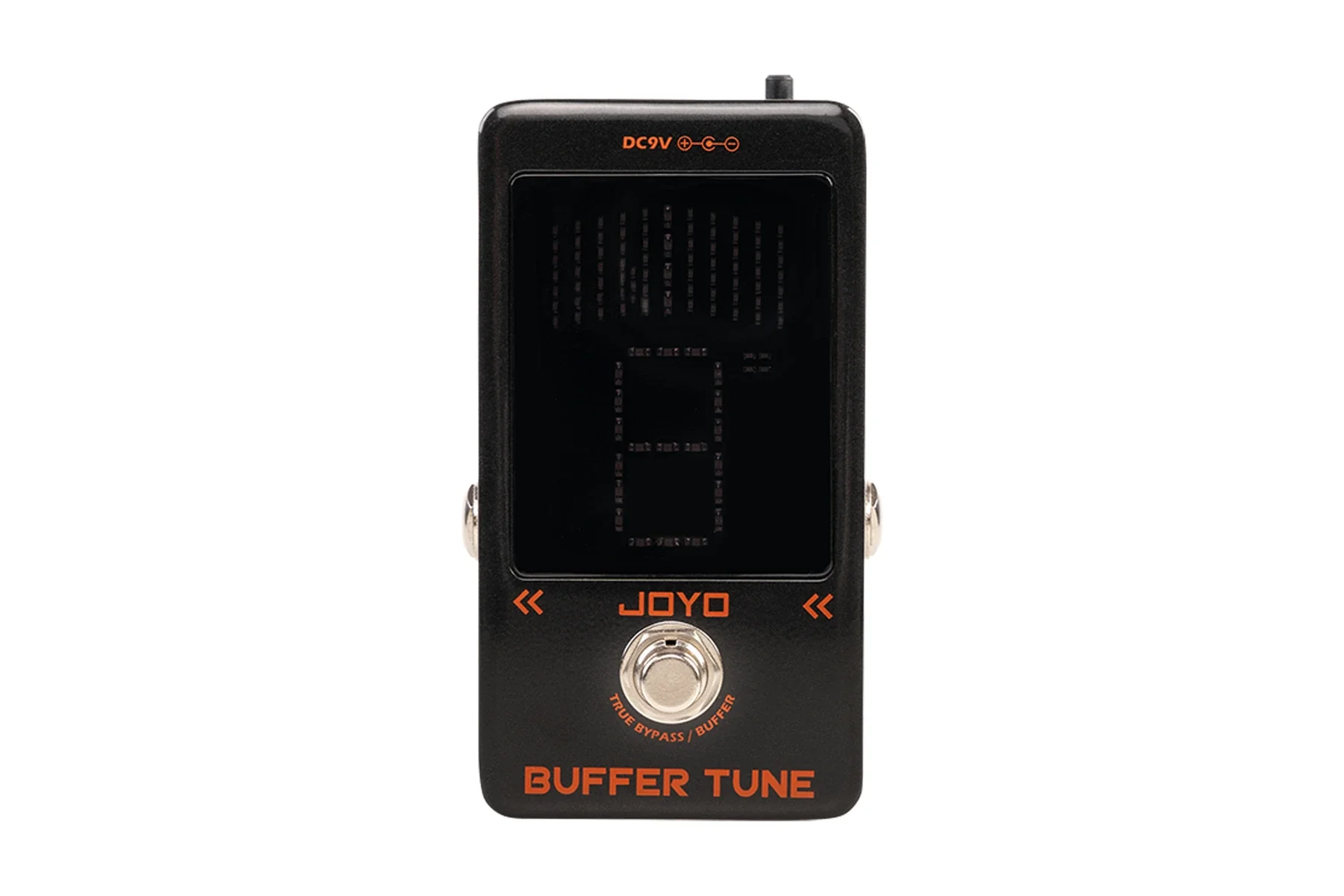
The feature that actually changes a gig is the mute. Step on a tuner pedal and it cuts the signal to your amp, so you tune in total silence between songs instead of asking the crowd to wait through an audible warble. The display sits at your feet in a spot you already look, lit brightly enough to read under stage lighting, and reads straight off your pickups so a loud room or a bleeding monitor never throws it off. None of that matters much at home. It matters a lot at a gig.
The Case for Skipping the Pedal
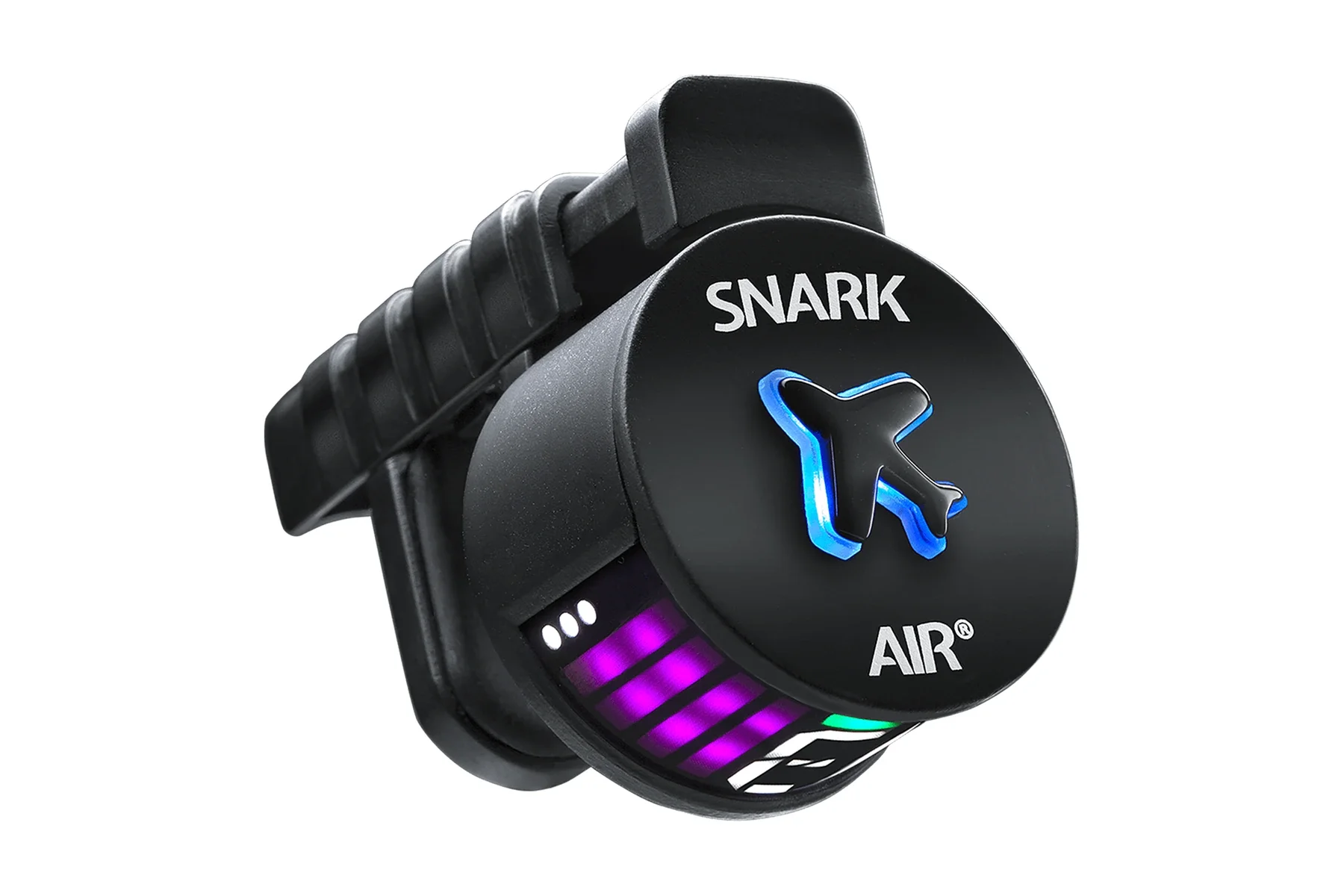
A pedal tuner is another $50 to $150, another slot and power draw on a pedalboard that may not have room, and one more connection in the signal chain. If the tuner is not true bypass or well buffered, some players notice a small amount of tone loss when it is inline, though this is debated and often inaudible in practice. For home practice, casual playing, or a first pedalboard, a clip-on tuner like the Snark AIR-1 does the job for about half the price and needs zero pedalboard space.
So, Do You Need One?
If you play out regularly, a tuner pedal earns its space through the mute function alone. Silent tuning between songs is worth more on stage than the marginal accuracy gain. If you mostly play at home or are just building a first board, a clip-on tuner is accurate enough and costs a fraction of the price. Save the pedal slot for when you are actually gigging.
Sources: Boss TU-3 and TC Electronic PolyTune 3 accuracy specs via MusicRadar and Equipboard; Peterson StroboStomp HD specs via manufacturer listing; clip-on and app accuracy figures via GuitarWiz and WikiAudio; pedalboard buffer and true bypass background via Sweetwater InSync and Radial Engineering.