How Often Should You Actually Change Your Strings?
Most players change their strings on a schedule borrowed from someone else: every month, every few gigs, whenever the guilt kicks in. None of that is wrong, exactly, but it isn’t really an answer. The real answer comes down to three things: how often you play, your body chemistry, and what you’re using the guitar for. Here’s how to find your actual number instead of guessing.
The Three Things That Actually Decide String Life
Playing frequency matters more than calendar time. A guitar played two hours a day wears strings out in a fraction of the time of one that only comes out on weekends. Sweat chemistry is the second factor: some players’ skin oxidizes strings noticeably faster than others, and there’s no fixing that except changing more often or wiping down after every session. Third is purpose: an instrument you gig with needs consistent tone and tuning stability, and it loses those long before the strings physically snap.
The Signs Your Strings Are Actually Done
Skip the fixed calendar and watch for these instead: tone that goes dull and flat even right after tuning, strings that feel sticky or rough under your fingers (especially the wound ones), visible discoloration or dark spots along the length, tuning stability that keeps getting worse mid-song, and fret buzz that wasn’t there when the set was new. Any two of these together means it’s time.
Making a Set Last Longer
Wipe strings down with a dry cloth after every session. Sweat and hand oil are the main culprits, and thirty seconds of wiping after you play noticeably stretches string life. Wash your hands before you sit down to practice. Store the guitar in its case rather than on a stand in a humid room. None of this replaces changing strings eventually, but it buys real time between sets.
Changing Them Yourself Takes About 15 Minutes
A full restring, done unhurried, takes about fifteen minutes with basic tools, closer to five once you’ve done it a dozen times. Loosen and remove the old set one string at a time so the neck never loses all its tension at once. Feed the new string through the bridge or tailpiece, wind it onto the tuning post neatly, stretch it gently a few times, and retune until it holds.
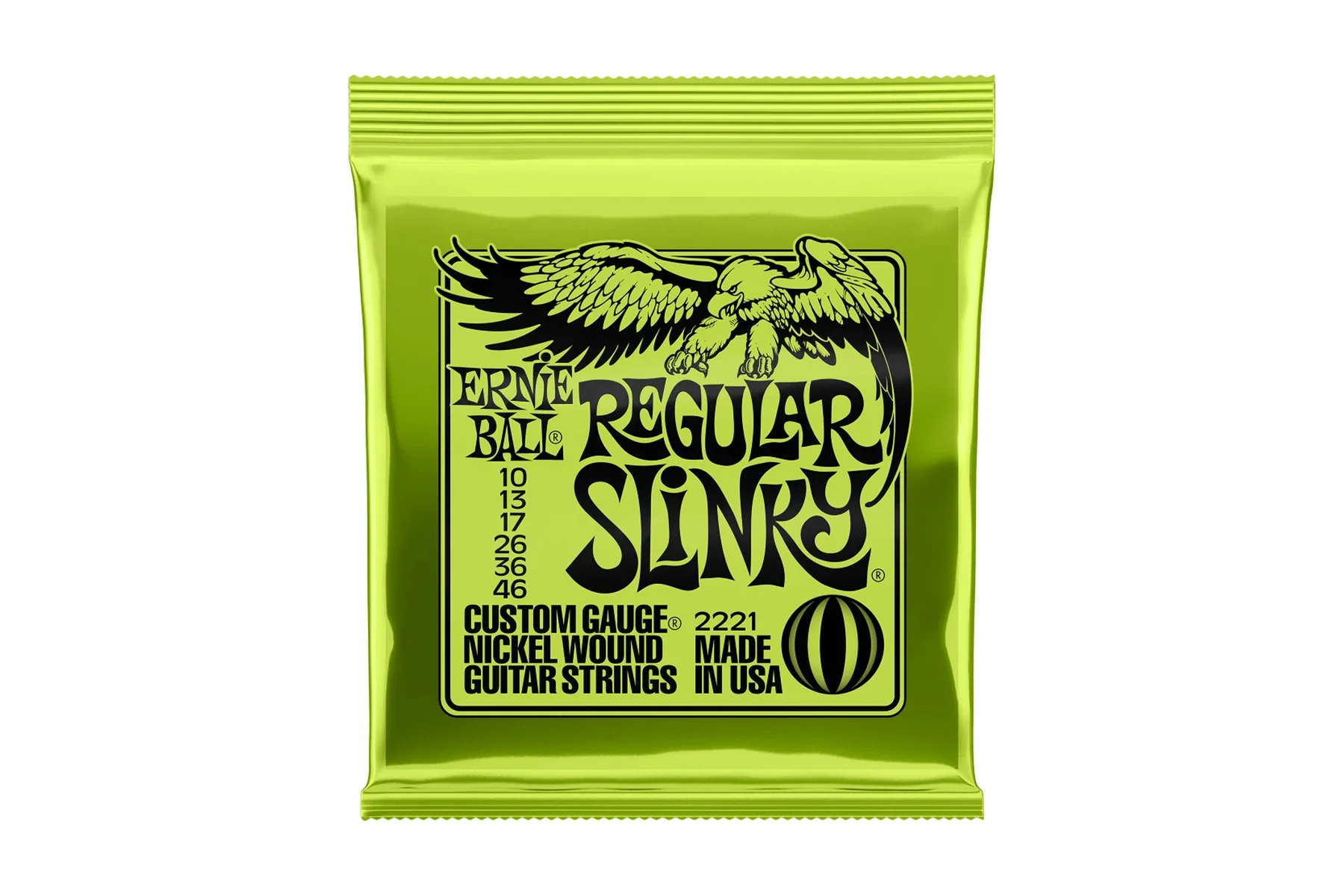
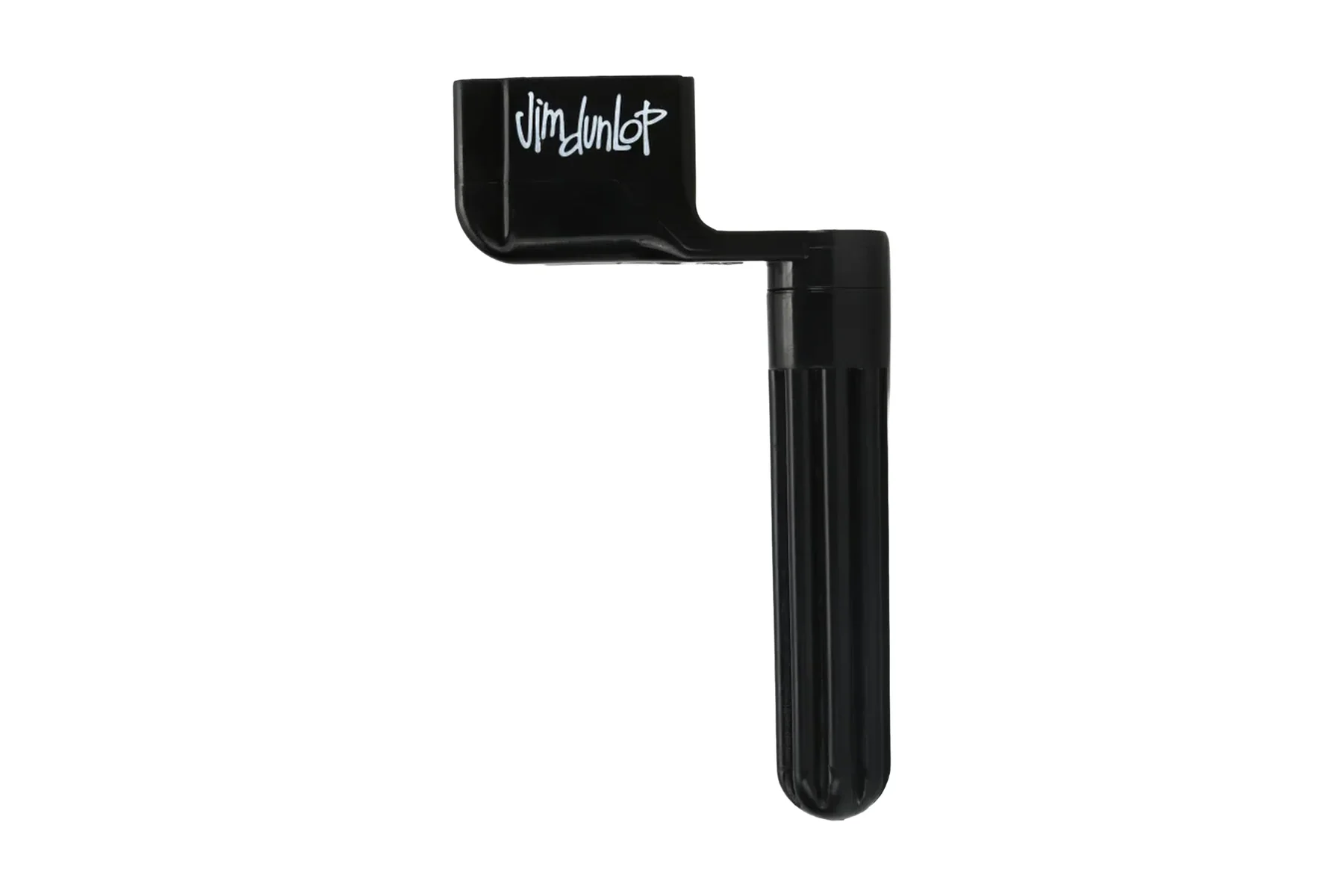
If you’re not sure what you had on before, a nickel-wound set like the Ernie Ball Regular Slinky (10-46) is a safe, forgiving default that most players land on. A string winder turns the whole job from fifteen minutes into about five. We like the Dunlop Stringwinder for the price.
Once you know your own number, whether that’s every two weeks or every few months, you’ll stop guessing and start hearing the difference before your ears have to fight for it.