Most beginner guitarists should start with a pick. A pick produces stronger, more consistent tone with less effort, teaches proper right-hand mechanics, and works across more music styles. Fingerstyle should be introduced within the first 3–6 months once basic chord shapes are comfortable. Most professional guitarists are proficient in both techniques — the question isn't which to choose permanently, but which to prioritize first.
The pick vs. fingerstyle debate is one of the most common questions new guitarists ask — and one of the most answered with oversimplified opinions. The real answer depends on what music you want to play, what feels natural to you, and where you are in your development. This guide breaks down both approaches with enough specificity to make an informed decision.
What Guitar Picks and Fingerstyle Actually Are
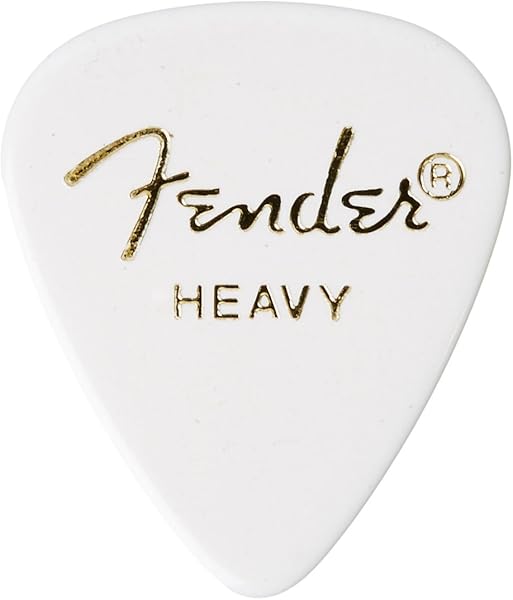
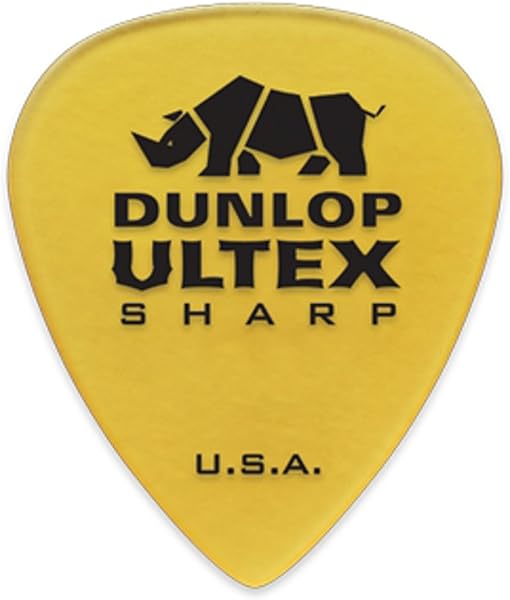
Playing with a pick (plectrum): A rigid or semi-rigid triangle of nylon, celluloid, or other material held between the thumb and index finger, used to strike strings with a downstroke, upstroke, or alternate motion. Picks come in different thicknesses (thin: .46mm, medium: .73mm, heavy: 1.0mm+) that produce different tones and feel.
Fingerstyle playing: Using the flesh or nails of the right-hand fingers (and thumb) directly on the strings, without a pick. The thumb (p) typically handles bass strings; the index (i), middle (m), and ring (a) fingers handle treble strings. Some players use a thumbpick on the thumb plus bare fingers on the treble strings — a hybrid approach common in country and acoustic blues.
Advantages of Learning With a Pick First
Louder, more consistent tone: A pick delivers energy to a string more efficiently than a bare fingertip. This makes strummed chords sound fuller and lead lines cut through more clearly — critical feedback for a beginner trying to hear whether they're playing cleanly.
Faster right-hand speed ceiling: Alternate picking (strict down-up-down-up motion) is the technical foundation for speed on both acoustic and electric guitar. This technique is much easier to develop with a pick than with a finger, which is why virtually all lead guitarists in rock, metal, country, and bluegrass use picks for fast lines.
More universal across guitar styles: Learning pick technique gives you access to rhythm strumming, power chords, alternate picking scales, and hybrid picking (pick + fingers simultaneously). This versatility is valuable if you're not yet sure what style you want to play.
Immediate results: Beginners using a pick typically produce recognizable strumming sounds within the first session. Fingerstyle takes longer to develop enough finger independence to sound consistent.
Advantages of Learning Fingerstyle First
Independent bass and melody lines: Fingerstyle's defining feature is the ability to simultaneously play bass notes (with the thumb) and melody or harmony notes (with fingers) — creating a self-contained arrangement from one guitar. This is impossible with a pick unless you are alternating extremely quickly.
Softer, warmer tone: The flesh of a fingertip naturally produces a softer attack than a rigid pick. This is a feature for genres like classical guitar, bossa nova, and soft singer-songwriter music where a gentle tone is preferred.
No gear required: Picks get lost constantly. Fingers don't.
Classical guitar tradition requires it: If your goal is classical guitar, fingerstyle isn't optional — it's the only technique. Classical guitarists also grow their right-hand nails to a specific shape to produce a brighter tone than bare flesh allows.
Which Music Styles Use Which Technique
- Rock and metal rhythm guitar
- Country flatpicking
- Bluegrass
- Jazz chord melody with fast single-note lines
- Punk and pop-punk
- Blues lead guitar (many, not all)
- Classical guitar
- Bossa nova and samba
- Delta blues (Robert Johnson style)
- Folk fingerpicking (Chet Atkins, James Taylor, Nick Drake)
- Celtic fingerstyle
- Modern solo acoustic guitar
- Acoustic singer-songwriter (Taylor Swift uses both; Ed Sheeran uses a loop pedal with fingerstyle)
- Country (many players use thumbpick + fingers)
- Blues (versatile players switch based on feel)
- Indie and alternative
The Case for Learning Both Simultaneously
The most effective beginner approach is not strictly either/or — it's sequencing:
Month 1–2: Focus exclusively on basic chord shapes and strumming with a pick. Build left-hand muscle memory for G, C, D, Em, Am without adding right-hand complexity. Get basic downstroke and downstroke/upstroke strumming working cleanly.
Month 3–6: Introduce simple fingerpicking patterns (alternating thumb + one treble finger) while continuing pick-based strumming. At this stage, you have enough left-hand independence that adding a right-hand technique layer won't overwhelm you.
Month 6–12: Alternate deliberately between pick and fingers based on what a song calls for. Begin learning the Travis picking pattern if fingerstyle interests you. Develop a comfortable hybrid picking approach if you want speed AND fingerstyle expressiveness.
By month 12, most players who followed this sequence are comfortable enough with both techniques to choose contextually — and that flexibility is significantly more valuable than mastery of one alone.
Pick Thickness: A Brief Guide
If you're using a pick, thickness affects both tone and technique:
- Thin picks (.40–.60mm): Flexible, produce a bright, thin tone. Easy to strum with; harder to control for lead playing. Often recommended for beginners because they're forgiving.
- Medium picks (.60–.85mm): The most versatile range. Good balance of strumming ease and lead control. Most beginners end up preferring medium picks once they develop technique.
- Heavy picks (.85mm–1.5mm+): Stiffer and more controlled. Preferred by lead guitarists, jazz players, and anyone who needs precision. Harder to strum with naturally at first.
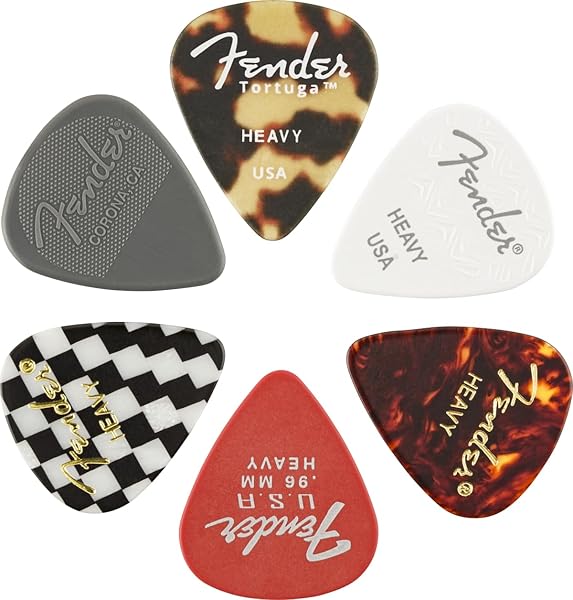
Try a variety — multi-pick sampler packs are available at professionalgl.com for around $5–$10, letting you test 10–20 different thicknesses and materials without committing to a full pack of one type.
Common Hybrid Picking Approach
Many guitarists eventually settle on a hybrid technique: holding a pick between thumb and index finger while using the middle, ring, and pinky fingers to pluck additional strings simultaneously. This gives the speed and power of a pick on bass or melody strings while maintaining fingerstyle independence on the others.
Hybrid picking is particularly popular in country music (Albert Lee, Brad Paisley), where it enables the chickenpicking technique — a rapid alternation between picked and fingered notes that creates a distinctive clucking timbre. It's also common in blues and rock where players want pick tone on single-note lines but fingerstyle warmth on chords.
Frequently Asked Questions
Q: Is it bad to switch between pick and fingerstyle? A: Not at all — most professional guitarists switch constantly based on what a song requires. The concern sometimes raised is that switching mid-song can disrupt flow until the technique becomes automatic, but this is a practice challenge, not a flaw. The goal is making both transitions unconscious.
Q: Can I play rock and electric guitar with just fingers? A: Yes, though it's uncommon for high-energy electric playing. Mark Knopfler (Dire Straits) built an entire legendary career on fingerstyle electric guitar. Jeff Beck rarely used a pick in his later years. For most rock styles, however, a pick enables the attack strength and alternate-picking speed that the genre requires.
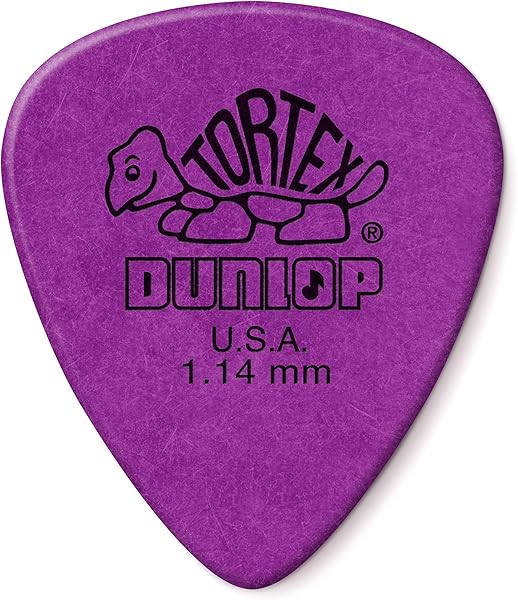
Q: What pick should a complete beginner start with? A: Start with a medium-thickness pick (.73mm) in a standard triangle shape (Dunlop Standard or Fender 351 shape are the industry defaults). Tortex material produces a familiar, predictable response. Once you've played for a few months and develop preferences for tone, attack, and grip, experiment with other thicknesses and materials.
Browse Professional GL — Strings, Capos, Pedals & More. USA-Designed. Free Shipping on Orders $50+.
Trusted by 1,318+ professional musicians · 4.8 stars · 30-day money-back guarantee · Ships in 1–3 business days.
READY TO UPGRADE YOUR RIG?
Shop Guitar Strings, Capos & Pedals — Free Shipping $50+
USA-designed gear trusted by 1,318+ musicians. Free shipping on orders $50+. 30-day money-back guarantee.
Shop All Guitar Gear — Free Shipping $50+ →