An open guitar tuning retunes one or more strings from standard EADGBE so the open strings form a chord when strummed together. In Open G tuning (DGDGBD), strumming all strings produces a G major chord. In Open D (DADF#AD), you get D major. These tunings are used for slide guitar, folk, blues, fingerstyle arrangements, and alternate voicings that standard tuning cannot produce. Most guitarists learn one open tuning alongside standard tuning and keep a second guitar dedicated to that tuning for live performance.
Open tunings unlock sounds that are technically impossible or extremely difficult in standard tuning. A slide guitarist playing in Open G can produce clean major chord slides by barring across all strings at any fret — the entire fretboard becomes a major chord at every position. Fingerstyle players use DADGAD for deep resonant drones unavailable in standard tuning. Understanding open tunings gives you access to decades of technique from players like Robert Johnson, Joni Mitchell, Jimmy Page, and Keith Richards.
The Five Most Important Open Tunings
Open G: D-G-D-G-B-D *From standard: lower strings 6, 5, and 1 by a whole step.*
Open G is the most widely used open tuning in blues and country slide guitar. Strumming all strings open gives a G major chord. Keith Richards of the Rolling Stones played much of the classic Stones catalog in Open G — notably removing the lowest string to play a five-string guitar. Robert Johnson used Open G variants for his Delta blues recordings.
- Open = G major
- Barre at 5th fret = C major
- Barre at 7th fret = D major
Every full barre across all strings at any fret produces a major chord — a slide player only needs to know fret = chord.
Open D: D-A-D-F#-A-D *From standard: lower strings 6, 3, and 2.*
Open D produces a full D major chord when strummed open. It is the tuning of choice for folk and Americana fingerpickers, including early Joni Mitchell recordings and many Celtic players. Open D is also a popular slide tuning for players who prefer D as a home key. Barre technique is identical to Open G — a full barre = major chord at each fret.
Open E: E-B-E-G#-B-E *From standard: raise strings 3, 4, and 5.*
Open E is the same intervals as Open D but a whole step higher, giving you an open E major chord. Duane Allman used Open E for slide guitar on recordings like "Little Martha." The advantage: the 1st and 6th strings remain E, making it easier to reference standard-tuning knowledge.
Caution: Open E tunes three strings up, increasing tension significantly. Some guitarists prefer Open D with a capo at the 2nd fret to access Open E sounds without the extra tension.
Open A: E-A-E-A-C#-E *From standard: raise strings 2, 3, and 4.*
Open A is common in blues slide — Son House, Charlie Patton, and many Delta players used Open A variants. Strumming all strings open gives A major. Like Open E, Open A tunes strings upward, so a light-gauge string set is advisable to reduce neck stress.
DADGAD: D-A-D-G-A-D *From standard: lower strings 6, 2, and 1 by a whole step.*
DADGAD is not a major open tuning — it produces a Dsus2/Dsus4 sound rather than a clean major chord. Popularized by British folk guitarist Davy Graham after a trip to Morocco in the 1960s, it was adopted by Celtic players and led musicians including Jimmy Page ("Kashmir"). The paired D notes on strings 6 and 4 create a deep drone sound while the G string sits in a neutral position compatible with both major and minor chords. DADGAD rewards creative exploration more than standard-tuning transposition.
How to Tune to an Open Tuning
Step-by-step for Open G (from standard EADGBE): 1. String 6 (low E): tune down a whole step → D 2. Strings 5, 4, 3, 2: no change (A, D, G, B remain) 3. String 1 (high E): tune down a whole step → D
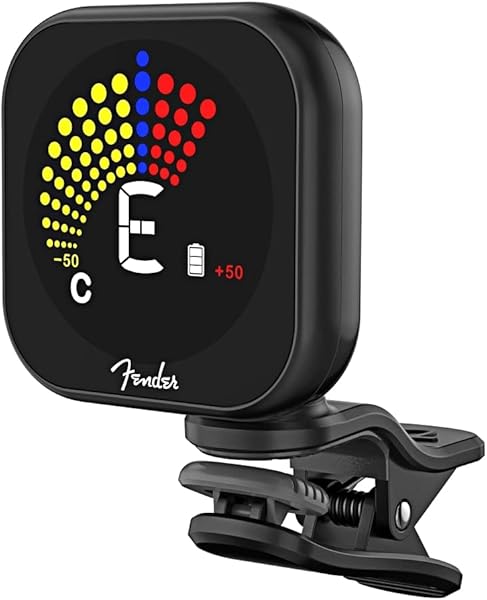
Use a clip-on chromatic tuner or a tuning app to hit each target note precisely. Tune slowly — retuning destabilizes the entire guitar's tension, so allow 30–60 seconds for the neck to settle before final fine-tuning. Re-check all strings after the initial pass.
Famous Songs in Each Open Tuning
| Tuning | Famous Examples | |---|---| | Open G | "Brown Sugar," "Honky Tonk Women" (Rolling Stones); Delta blues slide standards | | Open D | "Big Yellow Taxi," early Joni Mitchell recordings; Celtic folk | | Open E | "Little Martha" (Allman Brothers); "Corinna" (Duane Allman) | | Open A | Delta blues (Son House, Charlie Patton) | | DADGAD | "Kashmir" (Led Zeppelin); Celtic fiddle arrangements |
Should You Keep a Separate Guitar in Open Tuning?
Professional guitarists who play both standard and open tuning parts typically keep dedicated instruments in each tuning. Re-tuning mid-song is too slow for live performance, and frequent re-tuning stresses strings faster than normal use. A second acoustic guitar — even a budget model — kept in Open G or DADGAD is one of the most practical investments for a working acoustic musician.
If you only have one guitar, a capo can extend your open tuning range. A capo at the 2nd fret in Open G gives you Open A voicings; a capo at the 5th fret gives you Open C voicings — expanding your key options without re-tuning.
FAQ
Does open tuning damage my guitar? Open G and Open D lower several strings, reducing total tension — these are safe for regular use. Open E and Open A raise three strings, increasing tension: use lighter string gauges (10s on acoustic instead of 12s) to compensate, and avoid leaving the guitar in these tunings for extended periods. Any guitar with good neck relief and a proper setup handles open tunings without long-term damage.
Can I use standard-tuning tabs in open tuning? No. Tab notation is position-specific — fret numbers assume standard EADGBE. A chord shape producing G major in standard tuning produces a completely different chord in Open G. Learn open-tuning chord shapes from sources specifically written for that tuning, or work out shapes by ear using your knowledge of which notes are in each chord.
Is open tuning better for beginners? Open tuning is not easier or harder for beginners — it is different. Full major chord shapes require only a one-finger barre, which is simple. But transitioning between chords requires learning entirely new shapes. Most guitar teachers recommend learning standard tuning first for 6–12 months before exploring open tunings, so you have a chord knowledge foundation to translate across systems.
---
Explore the full gear and learning library at professionalgl.com/knowledge-hub.
Browse Professional GL — Strings, Capos, Pedals & More. USA-Designed. Free Shipping on Orders $50+.
Trusted by 1,318+ professional musicians · 4.8 stars · 30-day money-back guarantee · Ships in 1–3 business days.
READY TO UPGRADE YOUR RIG?
Shop Guitar Strings, Capos & Pedals — Free Shipping $50+
USA-designed gear trusted by 1,318+ musicians. Free shipping on orders $50+. 30-day money-back guarantee.
Shop All Guitar Gear — Free Shipping $50+ →