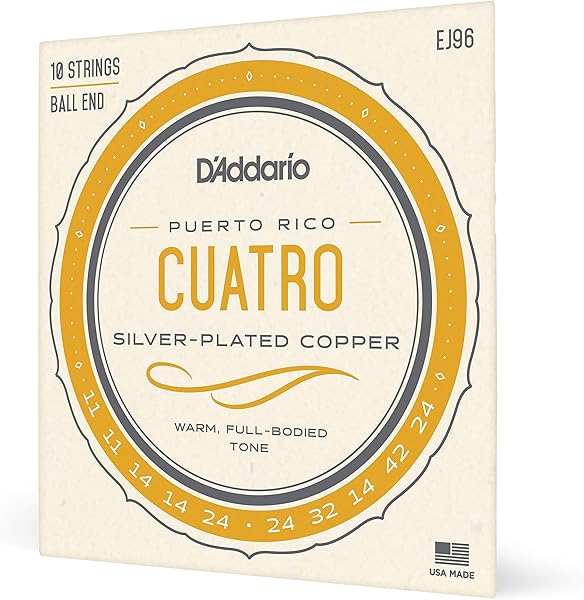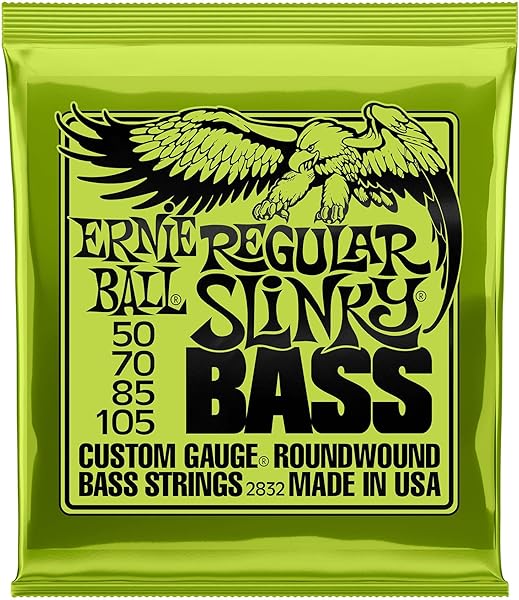
Guitar calluses form after 2–4 weeks of consistent daily practice — typically 15–30 minutes per session on steel strings. The fastest way to build calluses is to practice every single day without skipping, using lighter gauge strings (9s or 10s for electric, 11s for acoustic) to reduce pain and resistance while your fingertips toughen. You can speed up the process by practicing every single day, using [lighter gauge strings](/knowledge-hub/guitar-string-gauge-tone-relationship) (9s or 10s for electric, 11s or 12s for acoustic), fretting with correct <a href="/knowledge-hub/2026-06-02-fingerpicking-guitar-for-beginners">fingertip technique</a>, and keeping your hands dry before playing. Most beginners experience 2–3 weeks of fingertip sensitivity before calluses harden enough to make playing painless.
Every guitarist goes through the fingertip pain phase. Your skin isn't used to the repeated pressure and friction of steel strings, and it protests loudly for the first few weeks. The good news: this is the last time you'll ever have to go through it. Once you build solid calluses and maintain them with regular playing, your fingertips become permanently conditioned. Here's exactly how calluses form and how to get through the painful phase as quickly as possible.
What Are Guitar Calluses and Why Do You Need Them?
Calluses are thickened areas of skin that develop in response to repeated friction or pressure. On your fretting hand, the steel strings press into your fingertips tens of thousands of times during practice — the skin responds by building a tougher, denser outer layer to protect the tissue underneath.
Without calluses, every note press pushes the string painfully into soft, sensitive skin. With calluses, that same pressure is distributed across a hardened surface — you feel the string contact without the pain.
The calluses a guitarist needs form specifically on the tips of the index, middle, ring, and pinky fingers of the fretting hand — exactly where the strings make contact, just below the top of each fingertip.
- Calluses are cumulative. Each practice session adds a little more hardening. There's no single session that creates them — it's the accumulation of consistent daily contact.
- Calluses require maintenance. If you stop playing for 2–3 weeks, they begin to soften. Returning players often experience a brief soreness period until they harden back up.
- Calluses don't make you numb. Your fingertips can still feel texture and temperature normally. Only the specific pain of string pressure disappears.
How Long Does It Take to Build Guitar Calluses?
Most beginners develop functional calluses in 2–4 weeks of daily 15–30 minute practice sessions. Some players — particularly those with naturally tougher skin — get there in 10–14 days. Others with very soft or thin skin may take 5–6 weeks.
Here's a realistic timeline:
- Days 1–5: String contact hurts within 5–10 minutes of playing. Fingertips may be red or slightly indented after sessions. This is normal.
- Days 6–12: Pain threshold improves. You can practice for 15–20 minutes before discomfort becomes distracting. Slight skin hardening is noticeable.
- Days 13–21: Calluses are becoming functional. Most players complete a 30-minute session with manageable discomfort. Skin may look slightly yellowish or waxy at contact points.
- Days 22–30: Playing is largely painless. Calluses are established. Occasional slight sensitivity may occur on the thinnest, highest strings.
The timeline accelerates significantly with daily practice. Skipping days slows the process because your skin partially recovers and you re-stress the same not-yet-toughened areas each time you return.
7 Proven Ways to Speed Up Callus Formation
1. Practice every day, even for just 10 minutes. Daily contact is more effective than longer sessions spread further apart. Your skin needs consistent daily stimulation to harden. A 10-minute daily session beats a 60-minute session every three days for callus development.
2. Use lighter gauge strings. Lighter strings (9–10 gauge for electric, 11–12 for acoustic) require less fretting pressure and reduce contact intensity. This means you can practice longer before pain stops you — more total contact time per week, faster callus formation. See our [best guitar strings for beginners guide](/knowledge-hub/2026-06-22-best-guitar-strings-for-beginners) for specific recommendations.
3. Ensure your guitar is properly set up. High string action (the distance between strings and frets) dramatically increases the pressure needed to fret notes cleanly. A properly set-up guitar with correct action requires significantly less finger pressure. If fretting feels unusually hard, consider having the action adjusted by a technician.
4. Use correct fretting technique. Fret notes near the fret wire (not far behind it) using the very tips of your fingers. This minimizes the surface area in contact with the string and concentrates the contact point, building calluses in exactly the right spot more efficiently.
5. Don't soak your hands before playing. Avoid washing dishes, swimming, or prolonged water contact immediately before practice. Water softens the outer skin layers, undoing hours of conditioning. If you wash your hands before playing, dry them thoroughly and wait 10–15 minutes.
6. Play through mild discomfort. Stop when pain becomes sharp or distracting. But playing through the dull ache of early callus formation is what drives the process. Players who stop at the first sign of sensitivity extend their conditioning period significantly.
7. Don't peel or bite developing calluses. The thickened skin forming on your fingertips is exactly what you're trying to build. Peeling it off — tempting because developing calluses can look rough — resets your progress. Leave the skin alone.
How to Manage Fingertip Pain While Calluses Develop
The pre-callus period is the most common reason beginners quit guitar. These strategies help:
- Keep sessions short but frequent. 15 minutes of discomfort is far more manageable than 45. Two or three 15-minute sessions spread through the day accomplish more callus development than one long painful session.
- Take 60-second breaks when pain spikes. Step away, rest your fingers, then continue. Brief breaks allow pain to subside without ending your session entirely.
- Rubbing alcohol toughening. Some players apply a small amount of isopropyl alcohol to their fingertips after practice. Alcohol dehydrates the outer skin and can marginally accelerate surface toughening. Use sparingly.
- Work on other skills when fingers hurt. Use the last 5–10 minutes of a sore session on tasks that don't require fretting — reading chord diagrams, practicing <a href="/knowledge-hub/2026-06-02-how-to-hold-guitar-pick">pick grip</a>, or listening to songs you're learning.
What Slows Down Callus Development
Inconsistent practice. The biggest factor. Playing three days, skipping five, playing again doesn't build calluses — it builds and rebuilds sensitivity in a cycle. Consistency is the only factor you fully control.
Heavy strings on acoustic guitar. Acoustic guitars strung with 13-gauge phosphor bronze strings require far more fretting pressure than a light-string electric or acoustic. Temporarily switching to 12s or 11s makes the conditioning process much more manageable.
Long fingernails. Long nails on the fretting hand force you to fret with the pad of your finger rather than the tip — a less efficient contact point that slows targeted callus formation and causes buzzing. Keep fretting hand nails very short throughout the conditioning period.
Nylon string guitar. Classical guitars with nylon strings don't build calluses as quickly because nylon is softer and requires less pressure. If you start on classical and switch to steel strings later, expect to go through the conditioning process again.
FAQ
Can I use finger tape or liquid bandage to skip the conditioning period? Products like New-Skin liquid bandage and athletic tape provide temporary pain relief for early-stage players. They don't accelerate callus formation — they just reduce the sensation while your skin toughens naturally. They're a useful bridge for players who need to perform before calluses are established, but they're not a long-term solution.
Will switching between electric and acoustic guitar slow my callus development? Not significantly. Calluses transfer between instruments — if you've built them on electric, your fingertips are conditioned for any steel-string guitar. Acoustic may feel slightly more intense initially because of heavier strings and higher action, but the conditioning carries over. Classical guitar (nylon strings) is the only significant departure from steel-string conditioning.
How do I know my calluses are fully developed? When you can play a 30-minute session without any fingertip discomfort and your fingertip skin looks and feels visibly denser than the surrounding areas, your calluses are functional. Fully developed calluses typically feel slightly yellow, waxy, or leathery to the touch at the contact points.
Ready to level up your playing? Visit [professionalgl.com/knowledge-hub](https://professionalgl.com/knowledge-hub) for beginner gear guides and expert advice from our Pro Concierge.
Related Reading
- [Best Guitar Strings for Beginners](/knowledge-hub/2026-06-22-best-guitar-strings-for-beginners)
- [How to Practice Guitar Effectively](/knowledge-hub/2026-06-26-how-to-practice-guitar-effectively)
---
Ready to upgrade your guitar gear? Browse our full selection of acoustic and electric guitars at [PGL Music Store](/shop) and use our [Gear Finder Quiz](/gear-finder) to find the perfect setup for your playing style and budget. Free shipping available on qualifying orders.
Browse Professional GL — Strings, Capos, Pedals & More. USA-Designed. Free Shipping on Orders $50+.
Trusted by 1,318+ professional musicians · 4.8 stars · 30-day money-back guarantee · Ships in 1–3 business days.
READY TO UPGRADE YOUR RIG?
Shop Guitar Strings, Capos & Pedals — Free Shipping $50+
USA-designed gear trusted by 1,318+ musicians. Free shipping on orders $50+. 30-day money-back guarantee.
Shop All Guitar Gear — Free Shipping $50+ →